
AI & Automation Mar 5, 2026 · 1 min read
The Sommelier Argument
Maybe the highest-value skill in the AI era isn't making or judging. It's matching — knowing what's right for this moment, this audience, this context.
Read post
Found in: AI & Automation, Consulting Practice, Insights, Field Notes, Consulting, Leadership, Commerce
Maybe the highest-value skill in the AI era isn't making or judging. It's matching — knowing what's right for this moment, this audience, this context.

I kept getting the same document wrong. Blog voice in architecture docs. Technical precision in executive briefs. Then I realized the problem wasn't AI—it was me. I was treating all documents as the same task.
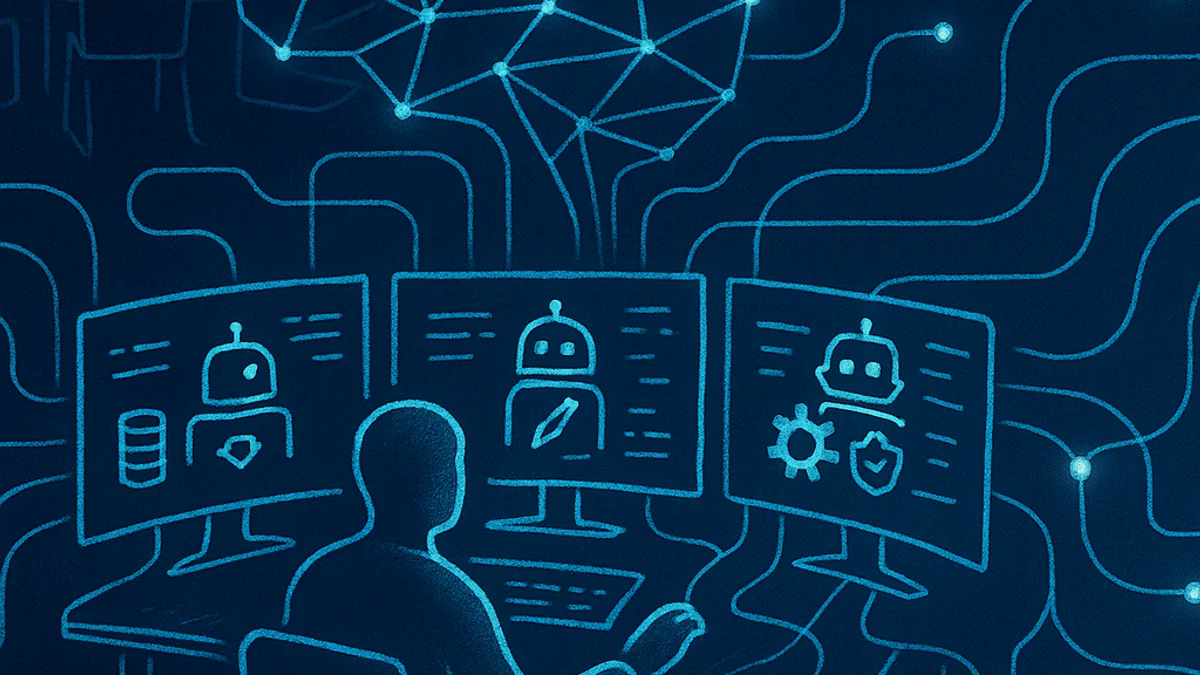
I've spent six months proving that one person with AI agents can build what used to require a team. Now I'm joining Commerce.com to find out if that methodology survives contact with an organization.
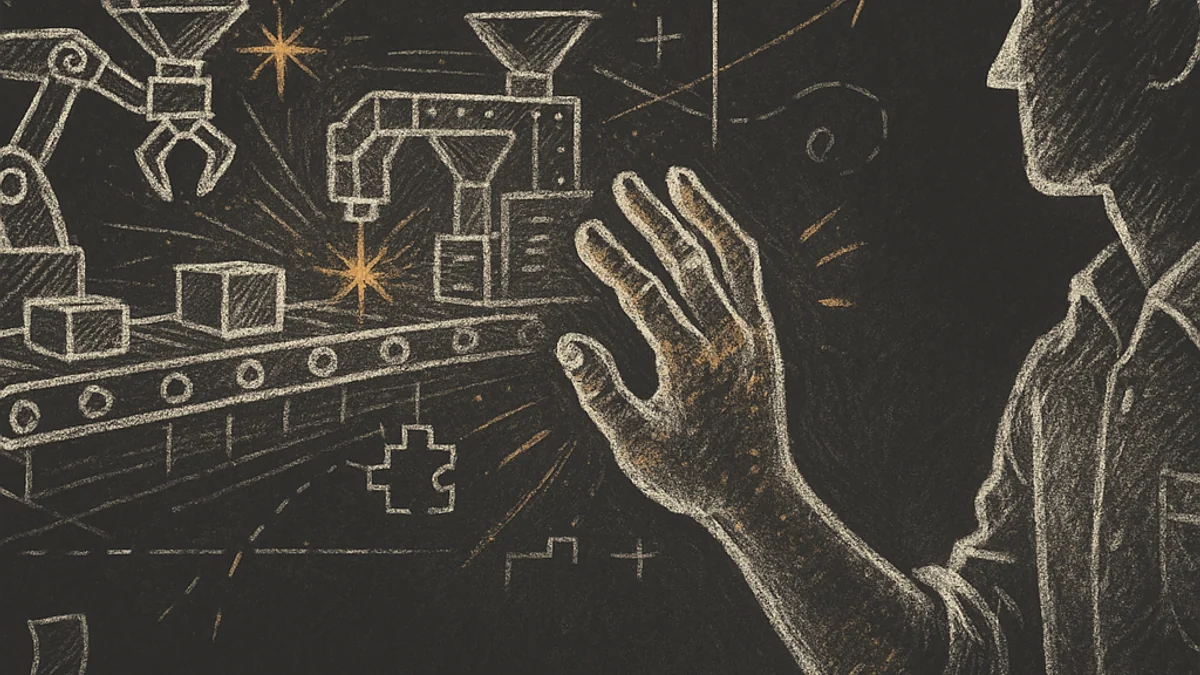
I wrote about simulation replacing apprenticeship. Then I stress-tested the idea. The technical case still holds—but I was wrong about what matters most.

The consulting industry's apprenticeship model was never really about the work—it was about proximity to mastery. When AI handles the grind, how does anyone learn to become a partner? The answer is reshaping the entire profession.

Consulting has played this game twice before—with body shops, then offshore. Now AI is the new lever. But what if the pattern itself is the problem?
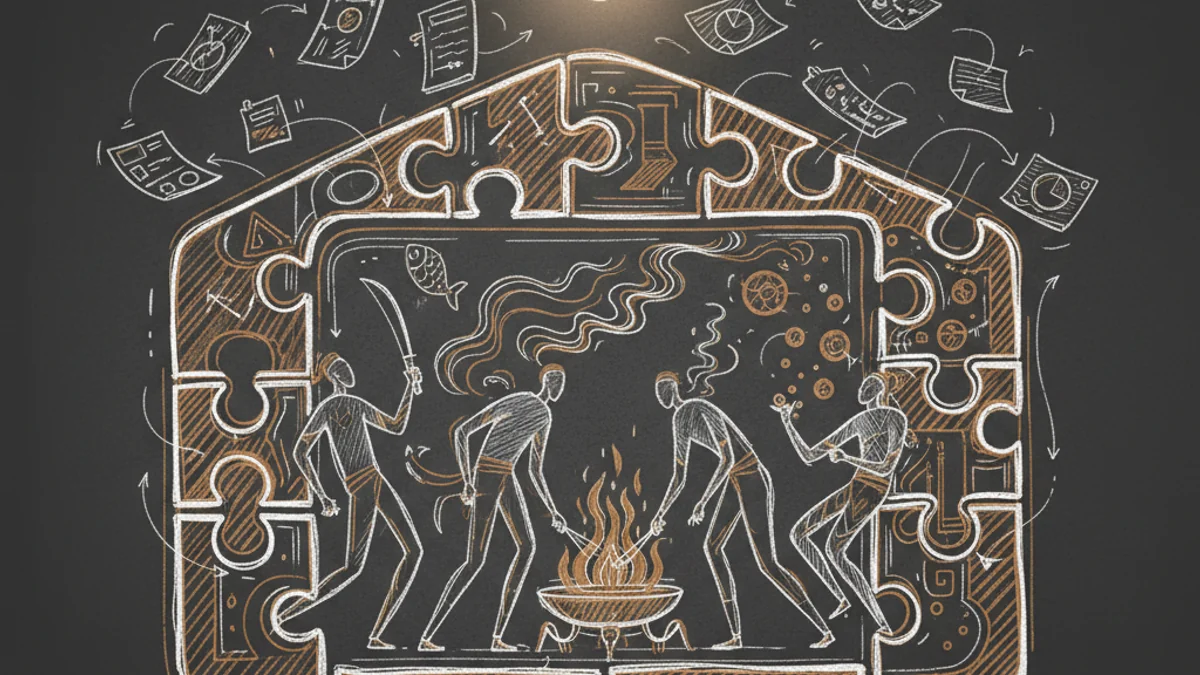
I don't need more Salesmen. I need a Sushi Master, a Pitmaster, and a Molecular Gastronomist. AI lets us return to the Guild—craftspeople in their own lanes, augmenting their own mastery.
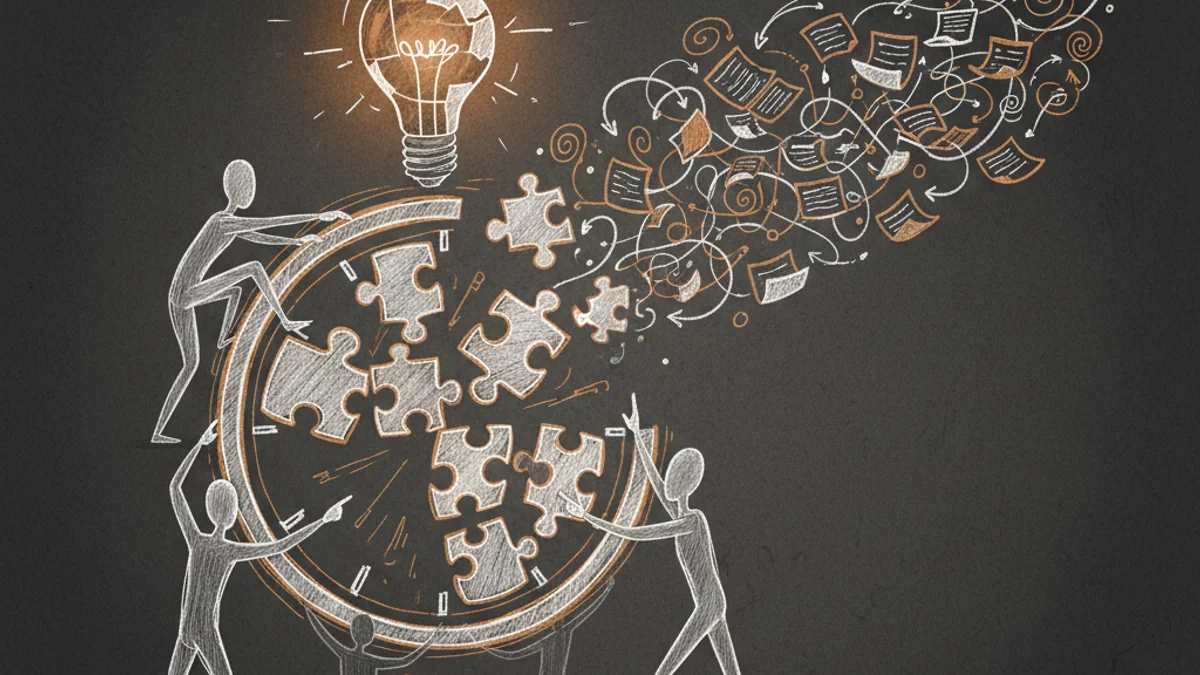
What if the billable hour isn't a business model—it's a coping mechanism? A way to avoid confronting that the thing we're selling might not be scarce anymore.
I've been the bridge. Between strategy and code, between design and delivery. It's exhausting. And lately I've been wondering if exhausting is the same thing as valuable.

Everyone spent 2024-2025 experimenting with AI features. Q1 2026 is when the survivors figure out what actually works—and kill what doesn't.
After 25 years bridging strategy to production, I still can't answer 'what do you do?' cleanly. That might be the point.

Spotify knows what song you want to hear next. Netflix queues up your next binge. But your favorite retailer? Still making you filter by Men > Shirts > Size L. After 15 years of personalization promises, why doesn't shopping work like streaming?
I'm not observing from the sidelines. I'm running these experiments in real time. Here's what's actually happening—and what I'm doing about it.

If both bubble and build-out are real, what do you actually do? Here's what I'm seeing work—and what's failing—across different roles.
I've spent months arguing AI isn't a bubble—it's infrastructure. Then smart money started betting against it. Both can be true. Here's what I'm figuring out.

Hank Green says the AI industry is a bubble. I think we're looking at it wrong—what if AI isn't a product at all, but a foundational technology like electricity?
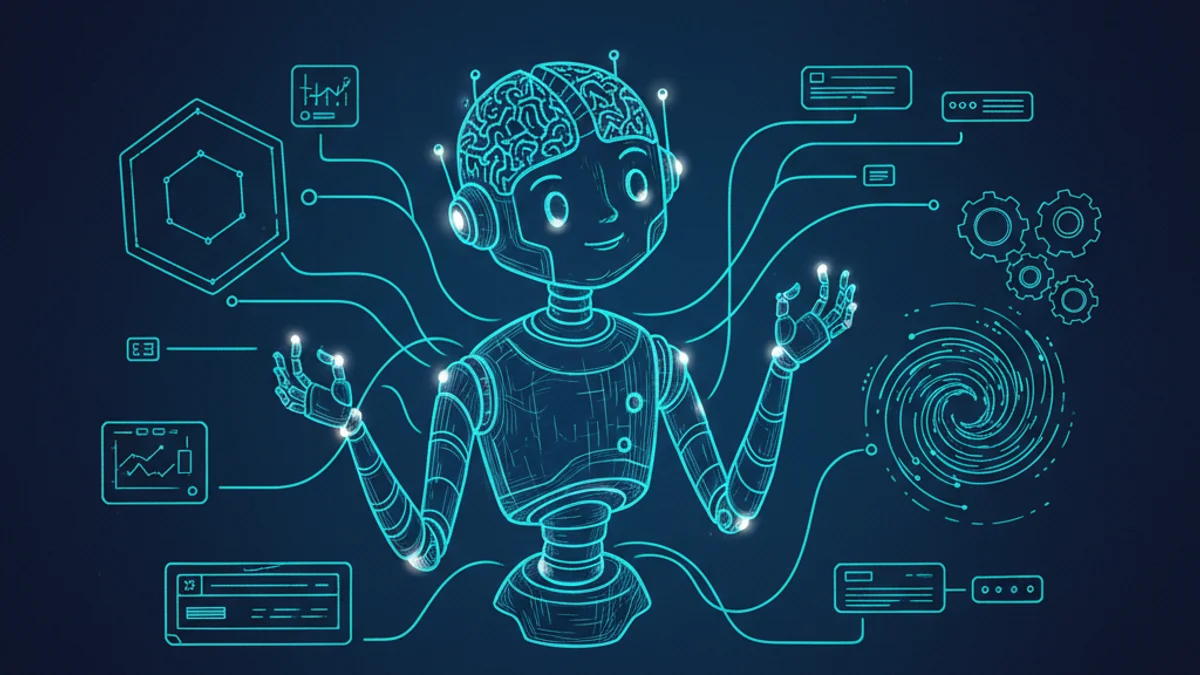
My feed is saturated with agentic software.' The promise is magic: autonomous agents executing complex, multi-step plans. But let's cut the hype. This isn't magic.

Week 2 of AI-assisted coding brought velocity — but also drift. This post explores the moment I realized I was managing AI agents like a team, and what that means for the future of software consulting.
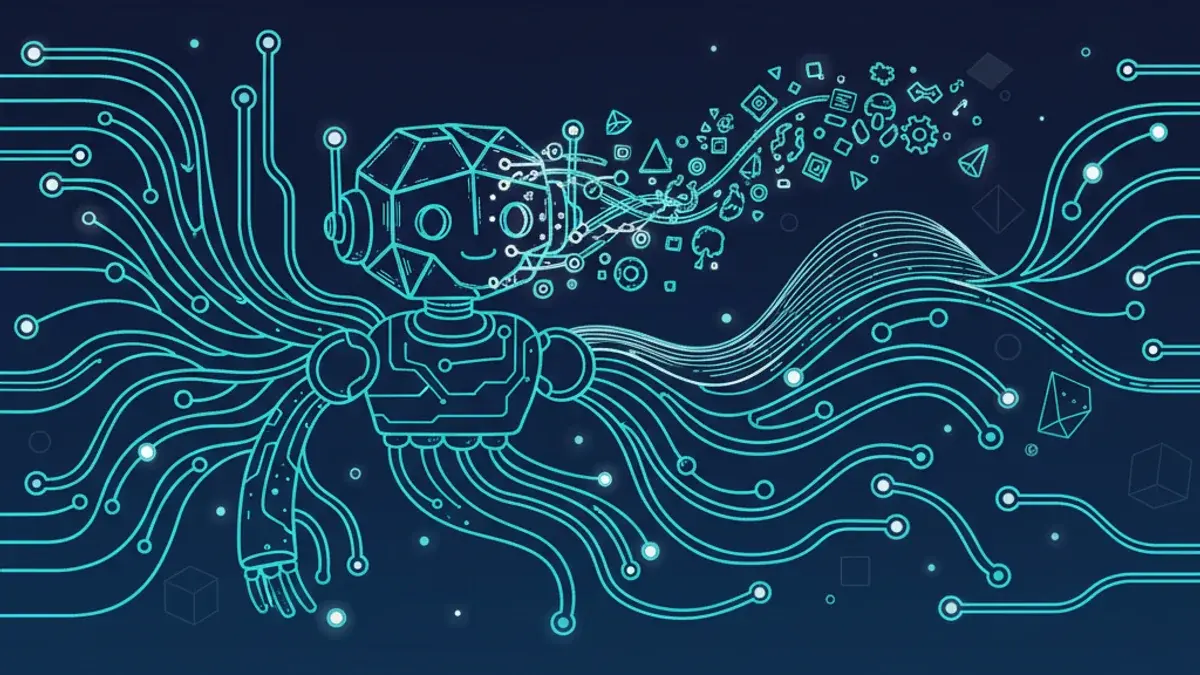
Just like cloud killed the server rack, AI is killing fixed tools. I built a full E2E test system from scratch—faster, cheaper, tailored—using nothing but schema, rules, and AI prompts. Why buy tools when you can generate them just-in-time?
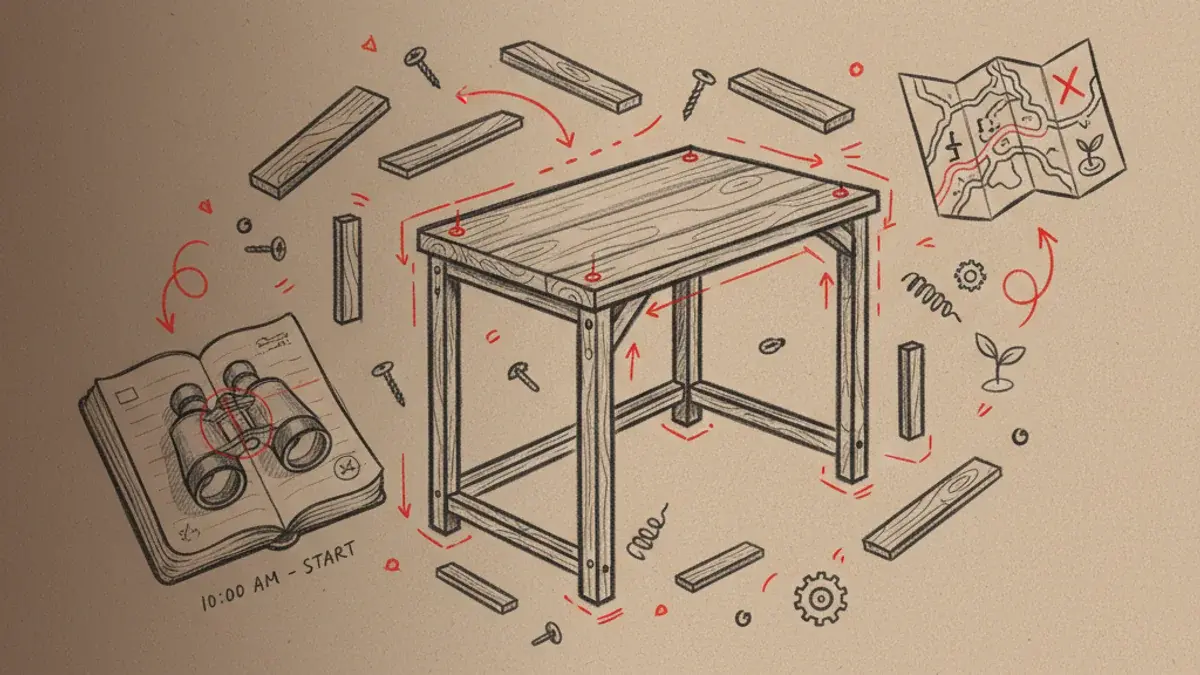
Projects stall when we confuse blockers with priorities. This post explores the “desk-building” metaphor to help teams stop over-planning and start making progress — by sketching first, sorting screws later.
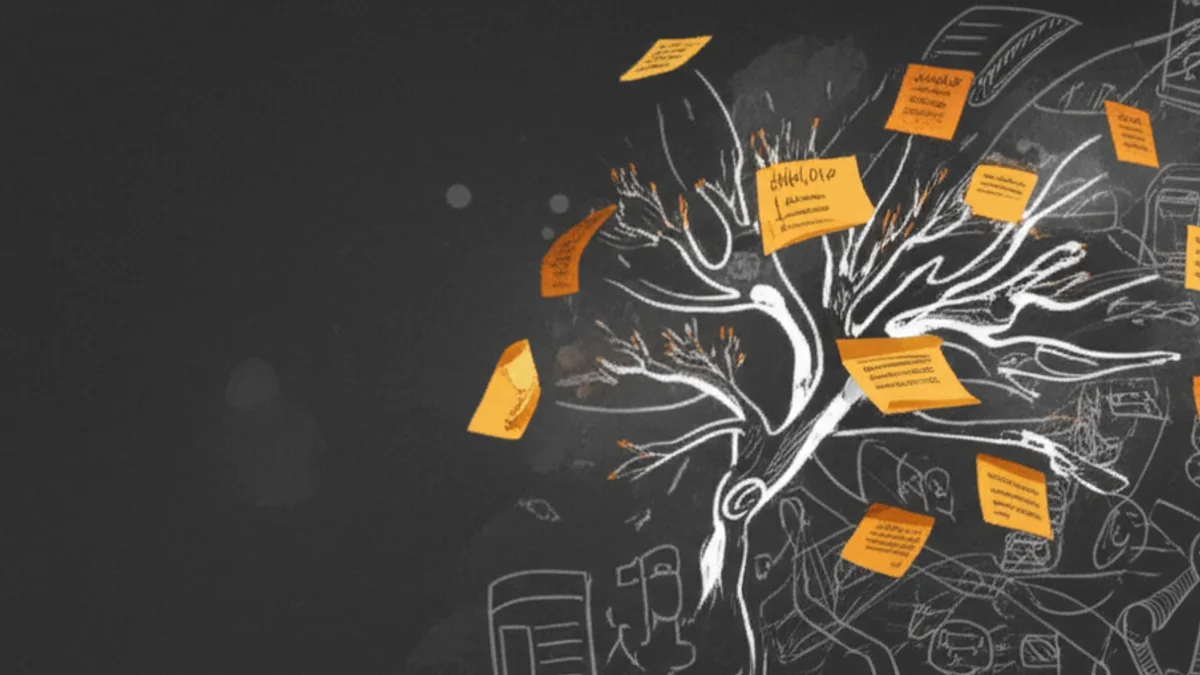
In consulting, sensing a problem feels like smelling smoke. But is there really a fire? This piece explores when to speak up and when to hold back — balancing risk detection with protecting people from blame. Leadership is often about navigating that tension with care.

Like most devs experimenting with AI tools, I’ve found myself juggling multiple platforms, APIs, and half-understood schemas to build things faster. Sometimes it works. Other times, it works against you.

Most reorgs I’ve seen are just corporate feng shui — shift a few boxes, rename a few titles, pretend it’s visionary. But this one? This one actually maps to something real. For once, the language isn’t just for clients — it mirrors what I’ve been doing in my own damn operating system.
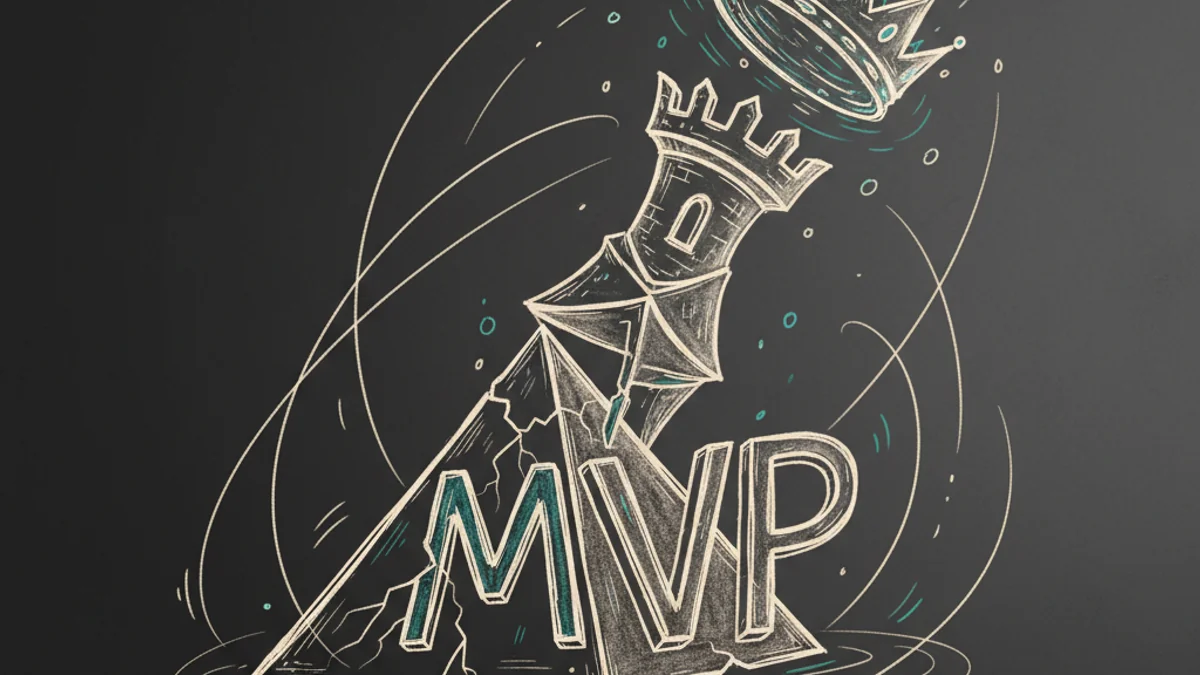
Most MVPs aren’t minimum or viable — they’re just premature.

You don’t have to be the thread. Or the pattern. Just be the thing that lets it all come together.

Once I know someone’s worth investing in, I shift gears. Here’s how I coach without taking the wheel—and why presence matters more than pressure.

Not everyone clicks right away. But I’ve learned to spot the difference between someone who just needs support—and someone who’s not built for the work we do.

The game changed. We don’t need new hires who’ve built a few apps—we need people who can navigate ambiguity, think in systems, and ask the right questions early.

Hiring the right consultant isn’t about checking boxes. It’s about building the kind of process that makes the right people show up—and lets the wrong ones opt out early.